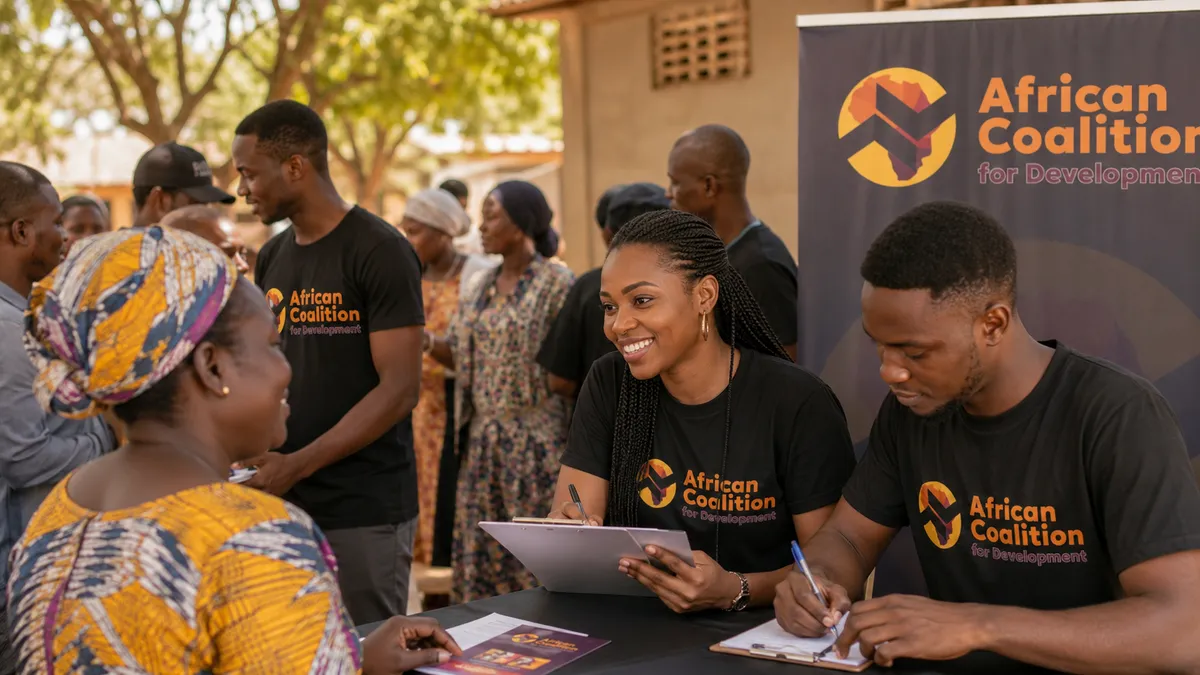
How to Volunteer for African Development Without Traveling
How to Volunteer for African Development Without Traveling
Many conversations about remote volunteering for Africa begin with ambition. The harder work is turning that ambition into a structure people can understand, support and sustain.
Remote volunteering can be useful when a role is specific, supervised and connected to real needs in research, communications, administration, technology or program support. That is why the most useful development conversations move beyond slogans and ask how decisions will be made, who carries responsibility, what resources are required and how learning will be communicated.

The shift from activity to durable progress
The development value of remote volunteering for Africa becomes clearer when we ask what should be stronger a year after the activity is over. Remote volunteering can be useful when a role is specific, supervised and connected to real needs in research, communications, administration, technology or program support. That puts attention on representation, fit and the capacity to keep building rather than on short-term visibility.
Clarity is a development asset. When the need, scope, roles and intended outcome are easy to understand, people can make better decisions about whether to participate, what to contribute and what questions still need to be answered.
What a stronger model looks like
-
Representation: Ambassadors and volunteers should communicate approved information and avoid unauthorized commitments.
-
Fit: The role should match a real organizational or community need and the volunteer’s actual skills.
-
Scope: Clear responsibilities, expected outputs and supervision make service more useful.
-
Reliability: Development teams need volunteers who communicate and complete what they agree to do.
Questions serious supporters should ask
Another risk is measuring effort instead of value. With remote volunteering for Africa, attendance, distribution, media reach or money spent may describe activity, but they do not automatically explain whether capability or conditions improved. That is why organizations should ask for a defined scope and primary point of contact and treat confidentiality, safeguarding and community dignity as non-negotiable.
The strongest response to uncertainty is not a larger promise. It is better stewardship: document decisions, define responsibility, match resources to scope and be willing to adjust when evidence shows that the original plan needs to change.
Three moves that turn strategy into practice
-
Be specific about your availability, location and strongest skills.
-
Ask for a defined scope and primary point of contact.
-
Treat confidentiality, safeguarding and community dignity as non-negotiable.
Practical steps make a broad goal easier to govern. They help convert mission language into decisions about timing, responsibility, resources and evidence—exactly the areas where otherwise promising initiatives often become vague.
How the African Coalition for Development approaches the issue
ACD structures volunteer and ambassador pathways around useful service, defined roles, reliability, safeguarding, responsible representation and alignment between a person’s skills and an approved need.
ACD does not ask every supporter to participate in the same way. Its website directs people toward distinct pathways: explore ways to get involved, volunteer with acd, or become an acd ambassador. That structure can make participation more useful because people can choose a role that fits their resources, expertise and level of commitment.
What this means for people ready to act
For people who want to serve, usefulness matters more than symbolism. A smaller commitment that is reliable and well matched to a real need can create more value than a large promise that cannot be sustained. For organizations, good volunteer management is part of protecting both the mission and the volunteer experience.
If remote volunteering for Africa is the issue that brought you here, start by deciding which resource you can contribute most responsibly: time, expertise, capital, relationships, media reach or institutional capacity.
Frequently asked questions
What should volunteers expect before starting?
A credible organization should clarify the role, expected outputs, schedule, primary contact, conduct expectations and any safeguarding or confidentiality requirements.
What makes remote volunteering for Africa useful to a nonprofit?
The contribution should match a real need, have a clear scope, be supervised appropriately and be delivered reliably within the organization’s standards.
Take the next step
If this topic reflects the kind of Africa-led development you want to support, Apply to volunteer with ACD. You can also learn more about the African Coalition for Development at africandev.org.
