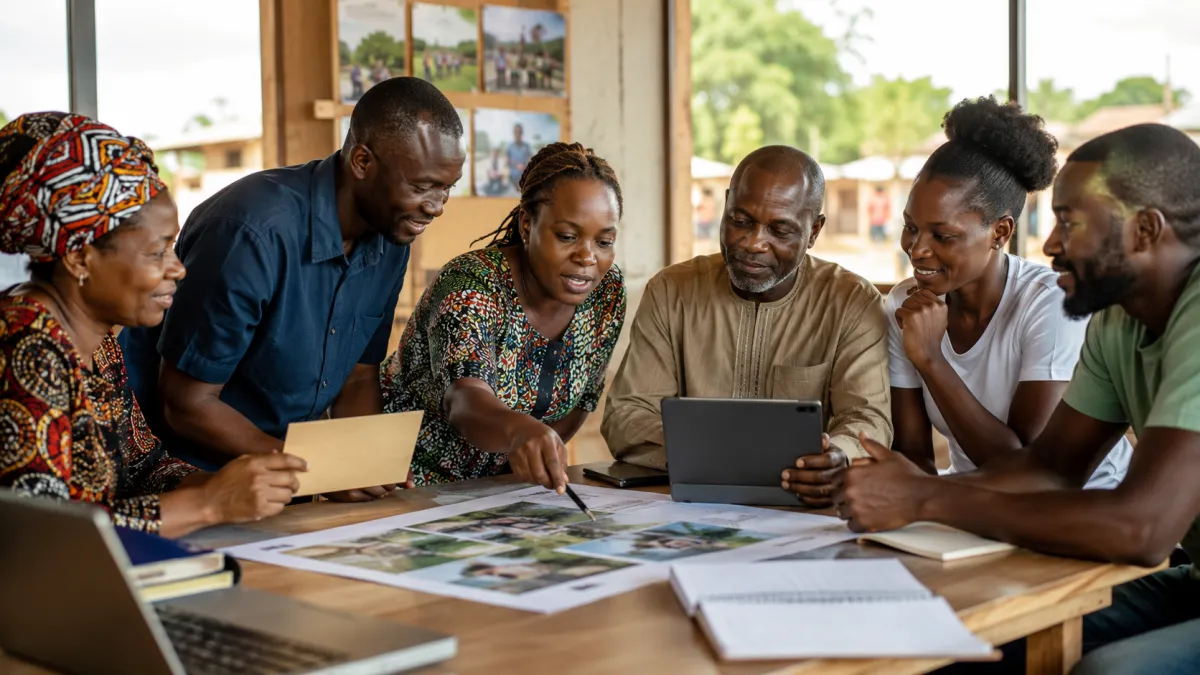
How Project Sponsorship Creates Clearer Accountability
How Project Sponsorship Creates Clearer Accountability
At its best, project sponsorship accountability is not a campaign phrase. It is a practical way of organizing people, resources and responsibility around a meaningful outcome.
Sponsorship can make giving more specific by linking support to a defined project, goal and communication pathway. The question for communities, nonprofits, donors and partners is how to build that outcome without sacrificing local agency, dignity or long-term capacity.
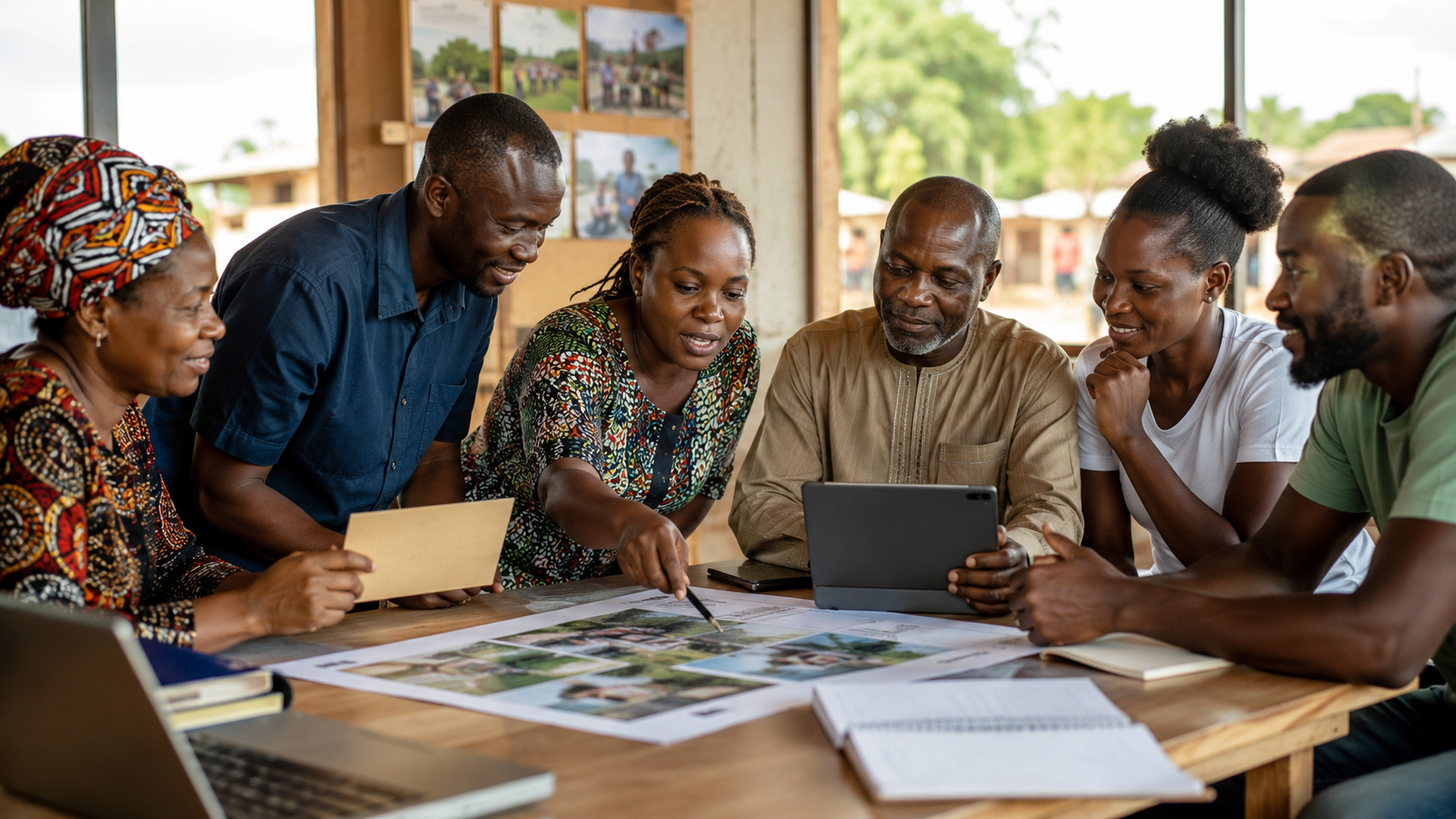
What changes when the work is designed well
At community level, project sponsorship accountability should be judged by what it enables people and institutions to do better. Sponsorship can make giving more specific by linking support to a defined project, goal and communication pathway. That is why realistic scope, accountability, learning and dignified evidence belong in the same conversation.
Good development communication is not decoration around implementation; it is part of accountability. Communities, donors and partners should be able to understand what is being attempted, who is responsible and what would count as useful progress.
The principles behind sustainable progress
-
Realistic scope: Activities, timelines and budgets should match the capacity available to deliver them.
-
Accountability: Roles, approvals, documentation and communication should be clear before implementation begins.
-
Learning: Reporting should capture what changed, what did not and what the project team learned.
-
Dignified evidence: Photos, stories and data should document progress without exploiting participants.
What donors, partners and communities should protect
The hardest part of project sponsorship accountability is usually not generating enthusiasm; it is maintaining quality after the first wave of attention. That requires people to choose sponsorship or adoption when you want a clearer connection to one project journey, ask for a one-page project summary before funding and connect every budget line to a clear activity or need with consistency.
A serious development organization should be comfortable saying what it knows, what it is testing and what remains uncertain. That honesty is more useful to communities and partners than overstating results for the sake of momentum.
Turning the idea into action
-
Choose sponsorship or adoption when you want a clearer connection to one project journey.
-
Ask for a one-page project summary before funding.
-
Connect every budget line to a clear activity or need.
Turning the idea into a small number of concrete moves gives everyone a common reference point. It becomes easier to review progress, explain delays, invite the right support and keep the mission connected to what is actually happening.
How the African Coalition for Development approaches the issue
ACD provides multiple project participation pathways—including donations, sponsorship and project adoption—so supporters can connect their resources to defined development priorities.
ACD’s public platform is built around choice with structure. Supporters can sponsor a project, adopt a project, or explore acd projects. The goal is to turn broad interest into a defined contribution with clearer expectations, stronger stewardship and a more credible connection to the work.
What this means for people ready to act
For donors and partners, specificity is a form of stewardship. A project does not need to promise everything; it needs to explain one meaningful problem, the planned response, the resources required and the evidence that will show whether the work moved in the right direction.
Responsible action around project sponsorship accountability begins with fit. The right next step is the one that connects your actual capacity to a real need without creating obligations you cannot sustain.
Frequently asked questions
Should project reporting include stories or data?
Both can be useful. Data can show scale or progress, while stories and context help explain what changed and why it matters.
What is the difference between sponsoring and adopting a project?
Sponsorship usually supports a defined project need or contribution level. Adoption is designed for deeper, longer-term alignment with a project journey.
Take the next step
If this topic reflects the kind of Africa-led development you want to support, Sponsor a development project. You can also learn more about the African Coalition for Development at africandev.org.
